Photo3
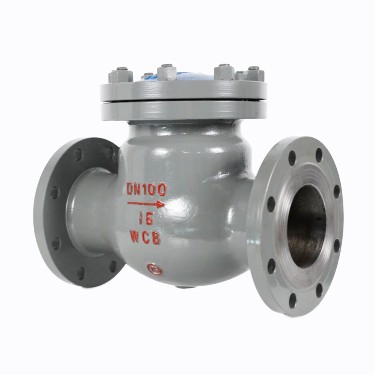
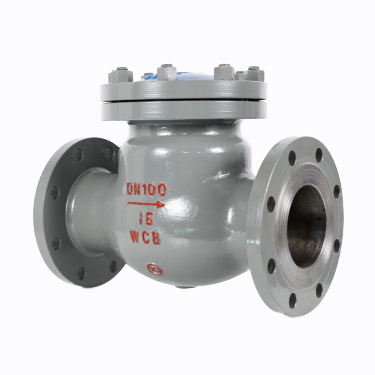
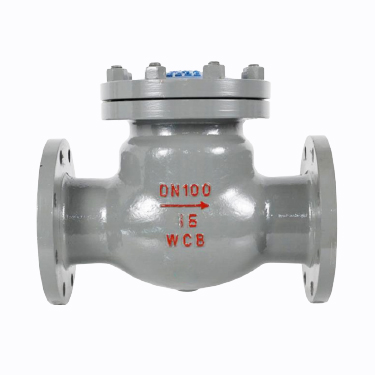
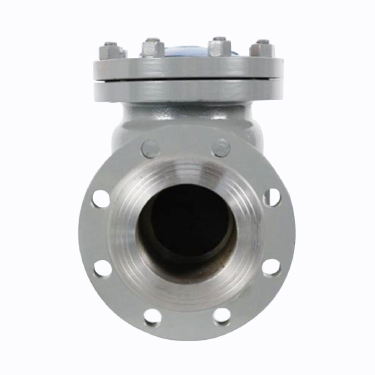
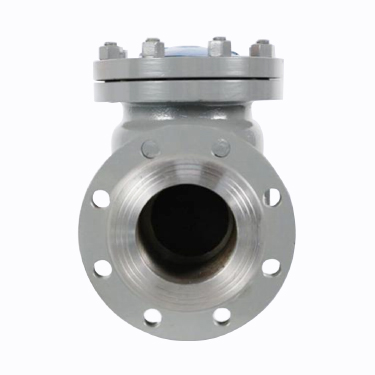
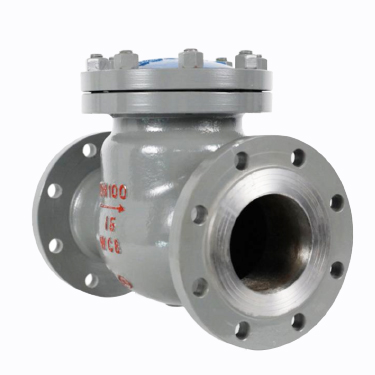
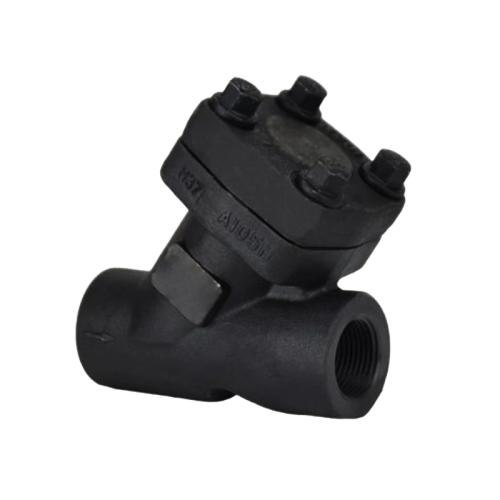
Cast steel check valve is a type of valve whose valve body is manufactured using cast steel material. It is mainly used in pipeline systems to automatically control the unidirectional flow of media and prevent backflow. Its core working principle relies on the flow of the medium (such as water, oil, steam, etc.) itself to drive the valve disc to open or close: when the medium flows normally, the pressure pushes the valve disc open, allowing the medium to pass through; once the medium attempts to flow backward, the valve disc automatically closes under its own gravity or the reverse pressure of the medium, thereby preventing backflow. Main features and advantages: Material advantage: Cast steel (usually referring to WCB material) has high strength and heat resistance, which is superior to cast iron. It is suitable for medium-to-high pressure and medium-to-high temperature environments, such as media like water, steam, and oil products. Structural types: Common types include lift check valves (e.g., model H41H, suitable for horizontal pipelines) and swing check valves (e.g., model H44H, with low fluid resistance and large flow rate). Performance characteristics: It has advantages such as reliable sealing, strong pressure resistance, and long service life, especially suitable for harsh conditions. Imported cast steel check valves may have superior manufacturing processes and material quality, making them suitable for occasions with high