test

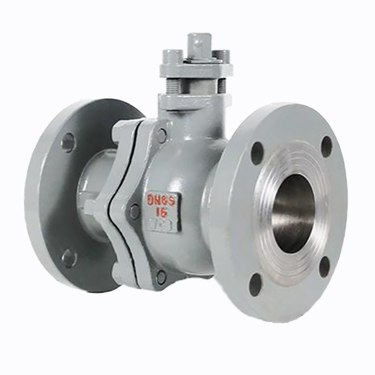
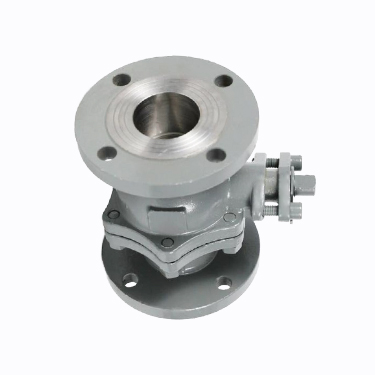
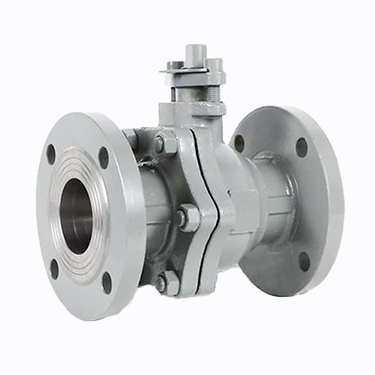
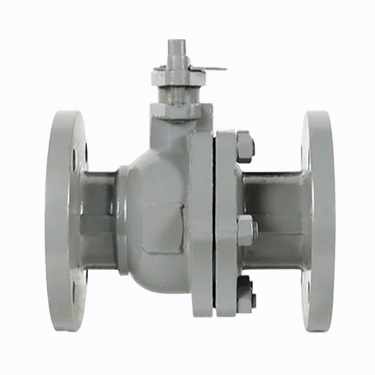
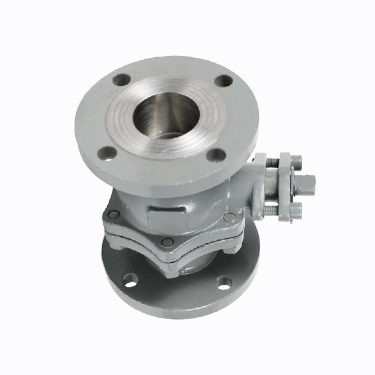
A cast steel ball valve is a type of valve whose closure member (the ball) rotates 90 degrees around the valve stem axis to achieve the cutoff, distribution, or direction change of the medium in the pipeline. It belongs to the shut-off valve category and is widely used in industrial fields such as petroleum, chemical industry, natural gas, urban water supply and drainage, etc.
The core characteristics of this valve are as follows:
Working Principle: It controls the opening and closing of the valve by rotating the ball. When the hole in the center of the ball is aligned with the pipeline direction, the valve is in a fully open state; after rotating 90 degrees, the flow of the medium is blocked.
Main Types: According to different structures, it can be divided into floating ball valves (suitable for medium and low pressure environments), trunnion ball valves (suitable for high pressure and large diameter conditions), and elastic ball valves (suitable for high temperature and high pressure media). In addition, there are structural designs such as two-piece and three-piece to meet different installation and maintenance requirements.
Key Advantages: It has characteristics such as low fluid resistance, reliable sealing, easy operation, quick opening and closing (only requiring a 90-degree rotation). The valve structure is compact, easy to maintain, and the sealing surface is isolated from the medium, making it less prone to erosion.
Material and Application Range: The valve body is usually made of cast steel (such as WCB material) or stainless steel. The sealing surface materials include plastics (such as PTFE) or metals, which can adapt to various media such as water, oil, gas, and steam. The working